Independent global environmental briefingEdition No. 04Updated 31 August 2026
Today's environmental edition / Progress · Solutions · Recovery

The Good

Evidence that damaged systems can recover—and that technology, policy and long-term community work are producing measurable environmental gains.

5 current reports1 past reports3 dates to watch
01 / Lead developmentSource checked 31 August 2026
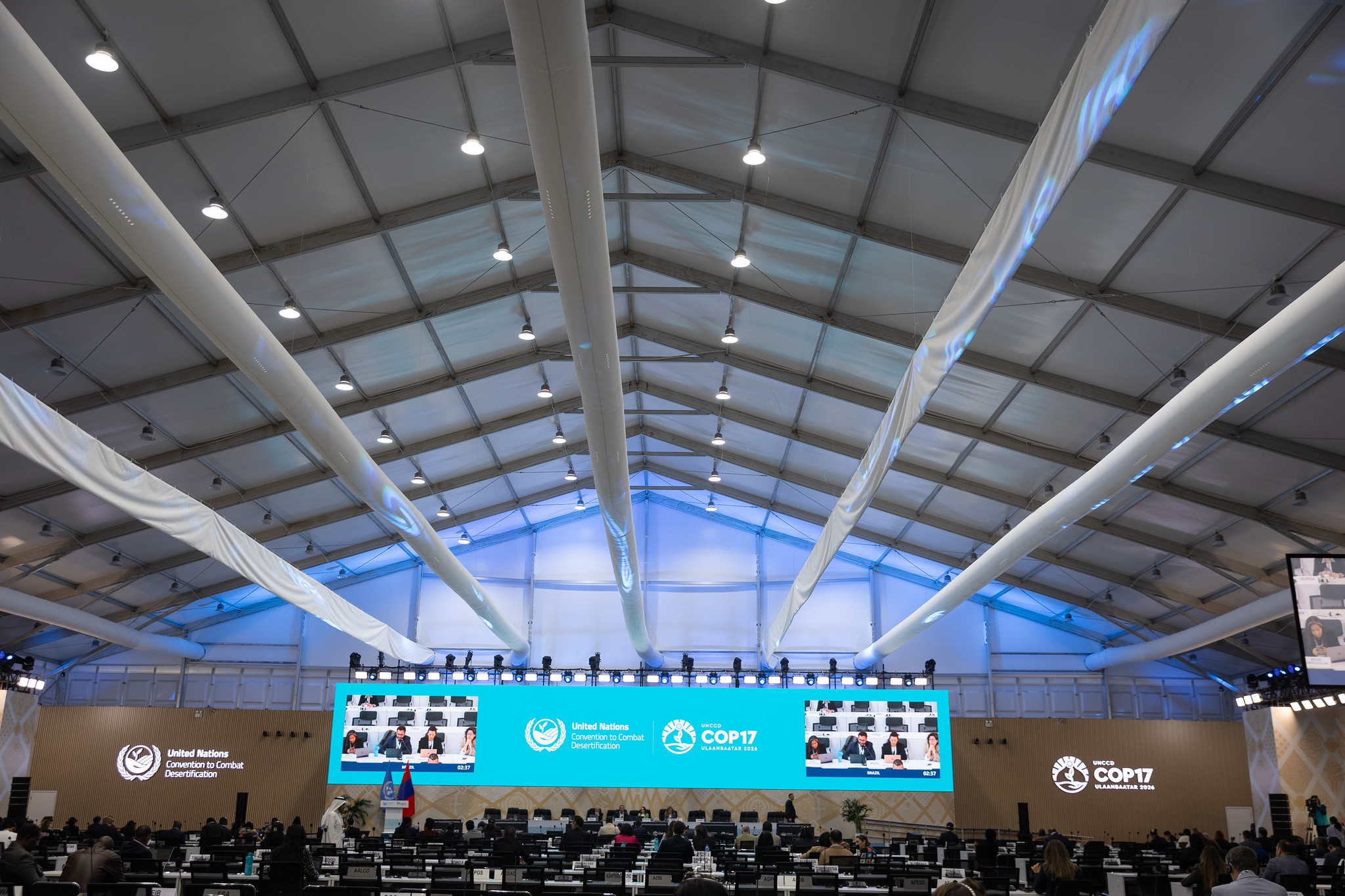
Delegates gathered at the UNCCD COP17 conference in Ulaanbaatar, Mongolia
UNCCD COP17 · Ulaanbaatar, 28 August 2026

Final conference outcome · updated today

COP17 closes with a $1.3bn portfolio—and another $2bn for Asia-Pacific land

The UN land convention’s latest summit concluded today with finance spanning 23 countries, a record rangelands initiative and a further $2 billion announced by the Asian Development Bank for land restoration in Asia and the Pacific.

After two weeks of negotiations, the 197 parties to the UN Convention to Combat Desertification closed COP17 in Ulaanbaatar with a portfolio of land-restoration and drought-resilience finance worth $1.3 billion. UNCCD says $644.5 million of that portfolio is new finance and $216.4 million is already confirmed and moving toward implementation.

Rangelands were placed at the centre of the package. A new flagship initiative brings together $1.2 billion across 45 projects, while the Drought Resilience Investment Facility aims to mobilise up to $400 million. Associated Press reporting from the closing session says the Asian Development Bank also announced a separate $2 billion for efforts against land degradation across Asia and the Pacific.
Original source or reportingAssociated Press · COP17 closing report
Why it matters

The result moves restoration from broad political commitment toward named finance vehicles, project pipelines and measurable country delivery. It also gives rangelands—and the pastoralists who steward them—unprecedented prominence in the global land agenda.

The wider context

UNCCD estimates rangelands cover 54 per cent of the planet’s land and support around two billion people. The new portfolio is a starting point rather than the full answer, but it creates practical channels through which larger public and private investment can follow.

What happens next

The immediate test is disbursement: confirmed capital must reach projects and produce ecological and community outcomes. COP18, expected in Egypt in 2028, will assess whether the Ulaanbaatar initiatives translated into durable delivery.

The full briefing

Developments in detail.

Each report separates the event itself from its wider meaning, limitations and next test.

Operating project · newly reported results

Polluted river water is being recovered for food gardens

The Water Hub treats 36,000 litres a day, according to new Guardian reporting. Around 3,000 litres supports irrigation; the treated water is not drinking water.

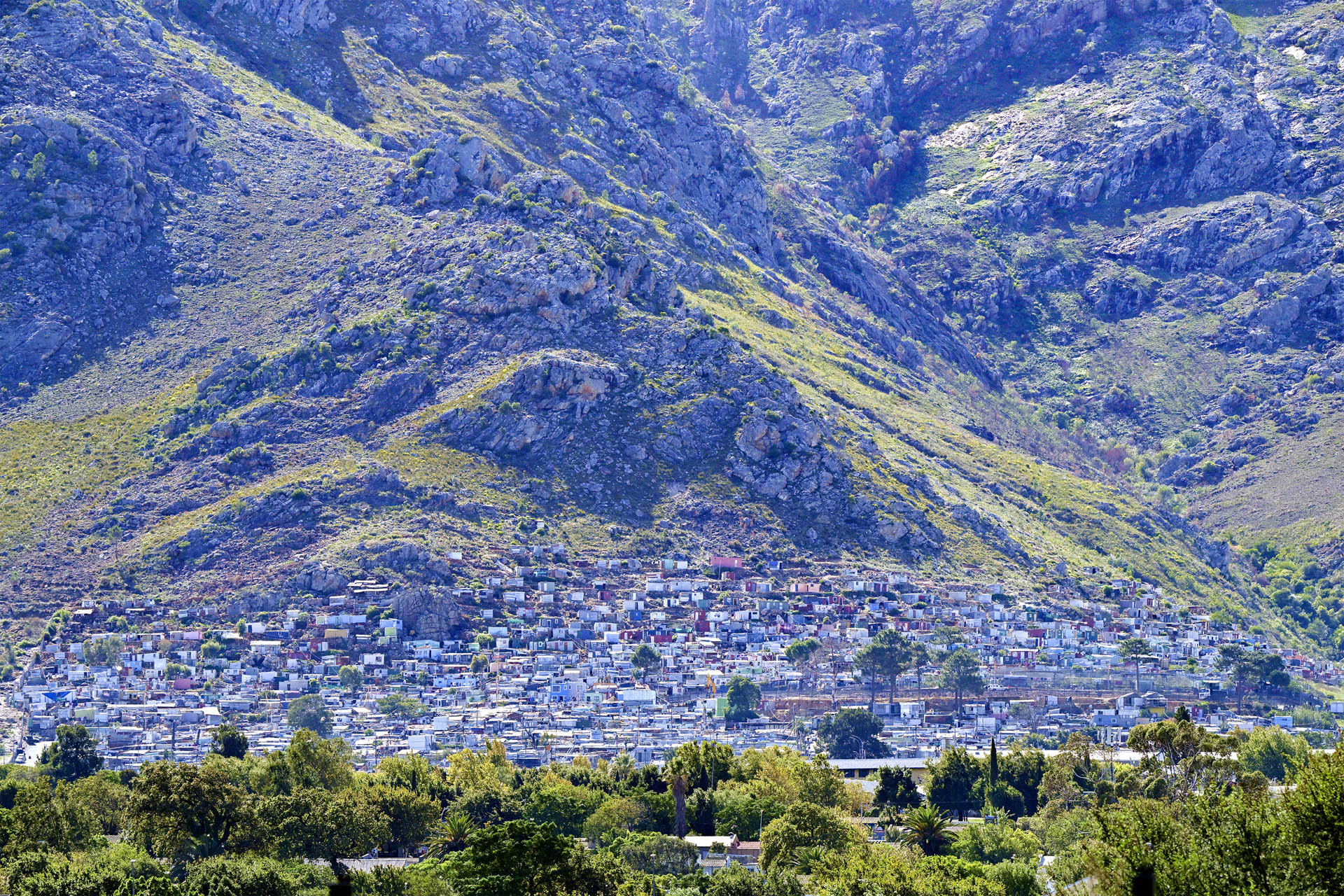
Langrug settlement beneath the mountains near Franschhoek, pictured in UCT’s Water Hub report
Lerato Maduna / UCT News · Published 2 June 2026 · CC BY-ND 4.0 · Context photograph, not the treatment beds

The 31 August report describes an operating project, not a launch today. It says irrigation-quality treatment was achieved during 2026, with most treated water returned to the Stiebeuel River.

UCT’s own account, published on 2 June, already documented water reuse in vegetable gardens. Researchers have repurposed a disused treatment site with wetlands, biofilters, stones, sand and biochar. Solar energy supplies most of the facility’s power.

The university describes a practical research partnership involving scientists, students and residents. Gardens grow crops including spinach, beetroot, onions and sweet potatoes, while participants develop cultivation and irrigation skills.

Why it matters

Recovering contaminated water for productive reuse is a tangible local environmental gain. The benefit is treatment and reuse at this facility—not evidence that the entire river has been restored.

The wider context

UCT describes these low-energy systems as a complement to conventional treatment works. Performance depends on incoming pollution loads; researchers have had to adapt the system as conditions change.

What happens next

Editorial watchpoint: sustained water-quality monitoring and reliable operation will determine whether this local result can be maintained and replicated.

Measured reductions · satellite verified

Satellite alerts are turning invisible methane plumes into real cuts

UNEP says its AI-assisted methane system has contributed to more than 40 mitigation actions, with a climate benefit comparable to removing the annual emissions of almost 24 million petrol cars.

NASA satellite visualisation of methane enhancements over Wyoming
NASA/JPL-Caltech · EMIT methane-plume visualisation over Wyoming; illustrative satellite monitoring, not the Turkmenistan repair site

Update, 31 August: Turkmenistan has completed eight methane-leak repairs, according to The Guardian’s reporting on UN data.

One documented example is in Lebap province: UNEP’s case study, updated 15 April 2026, records a corroded flowline repaired on 7 March. Subsequent observations detected no further emissions above satellite detection limits. This is evidence of mitigation at that source, not proof of zero emissions nationwide. The repair predates today’s reporting.

The Methane Alert and Response System combines observations from more than 30 satellite instruments with lightweight AI models. Analysts can now process 12–15 times more data, while every machine-flagged detection is still independently checked before a notification is sent.

AI-assisted workflows identified 80–85 per cent of confirmed detections before expert review. UNEP estimates that action prompted by the system has mitigated sources responsible for about 1.2 million tonnes of methane since the platform became fully operational in 2024.

Why it matters

Methane is roughly 80 times more powerful than carbon dioxide over 20 years but remains in the atmosphere for only about a decade. Cutting a major leak can therefore slow near-term warming faster than most infrastructure transitions.

The wider context

The bottleneck is shifting from detection to response. Satellites can reveal large releases, but governments and operators still need procedures, incentives and accountability to close them quickly.

What happens next

MARS is expanding beyond oil and gas into coal and waste. The UN Secretary-General has called for countries to respond to 80 per cent of alerts they receive.

Field results · community-led

Mangrove seedlings are surviving at an unusually high rate

A restoration programme in the Golfo Dulce Hammerhead Shark Sanctuary has covered more than 68 hectares and recorded estimated seedling survival of 75–80 per cent.

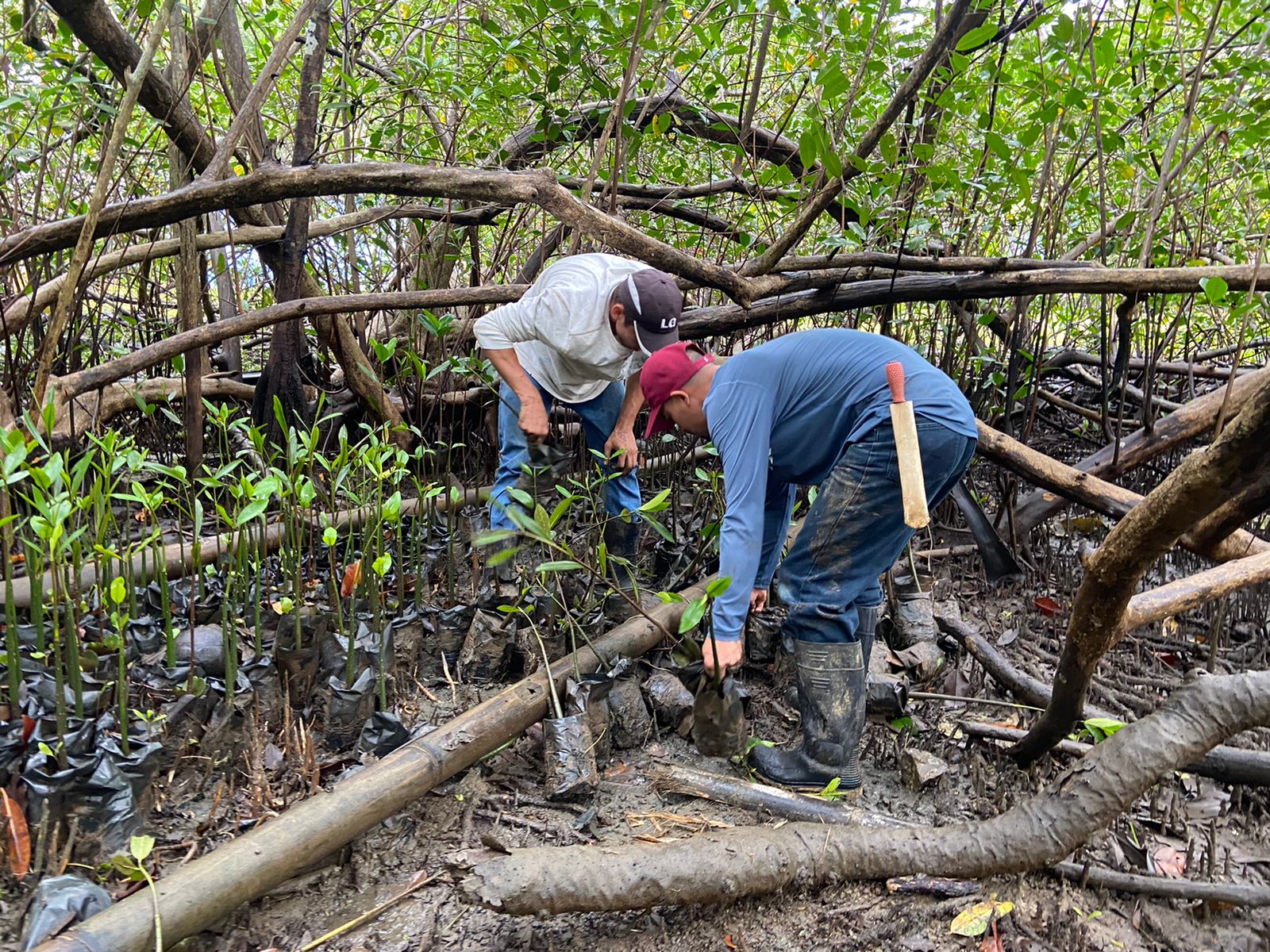
Community members planting mangrove seedlings in Costa Rica's Golfo Dulce
Misión Tiburón / Mission Blue · Community mangrove restoration

Misión Tiburón began in 2021 after decades of cutting and ecological disruption weakened mangrove habitat. The project has established two nurseries, planted more than 12,000 seedlings and trained park rangers and residents to monitor the recovering forest.

Its method extends beyond planting. Workers clear an invasive fern that blocks connections between surviving mangrove patches and reopen natural channels, restoring the hydrological conditions the trees need. That systems-first approach helps explain a survival rate UNEP describes as unusually high for mangrove restoration.

Why it matters

Mangroves store carbon, filter water, shelter fisheries and reduce storm exposure. High survival is a stronger indicator than the number of seedlings planted because it shows whether restoration is becoming self-sustaining.

The wider context

Mangroves remain among the world’s most pressured ecosystems, although recent research indicates the rate of global loss has slowed and natural recovery is offsetting part of the historical decline.

What happens next

The local association aims to reach 80 hectares in 2026. Long-term monitoring will need to show that canopy, wildlife and tidal function recover alongside seedling survival.

UN recognition · programmes already operating

Three proven landscape recoveries earn UN flagship status

Programmes across the Cerrado, the Sahel and Saudi Arabia were recognised after restoring land at scale. Together, they intend to bring almost five million hectares under restoration by 2030.

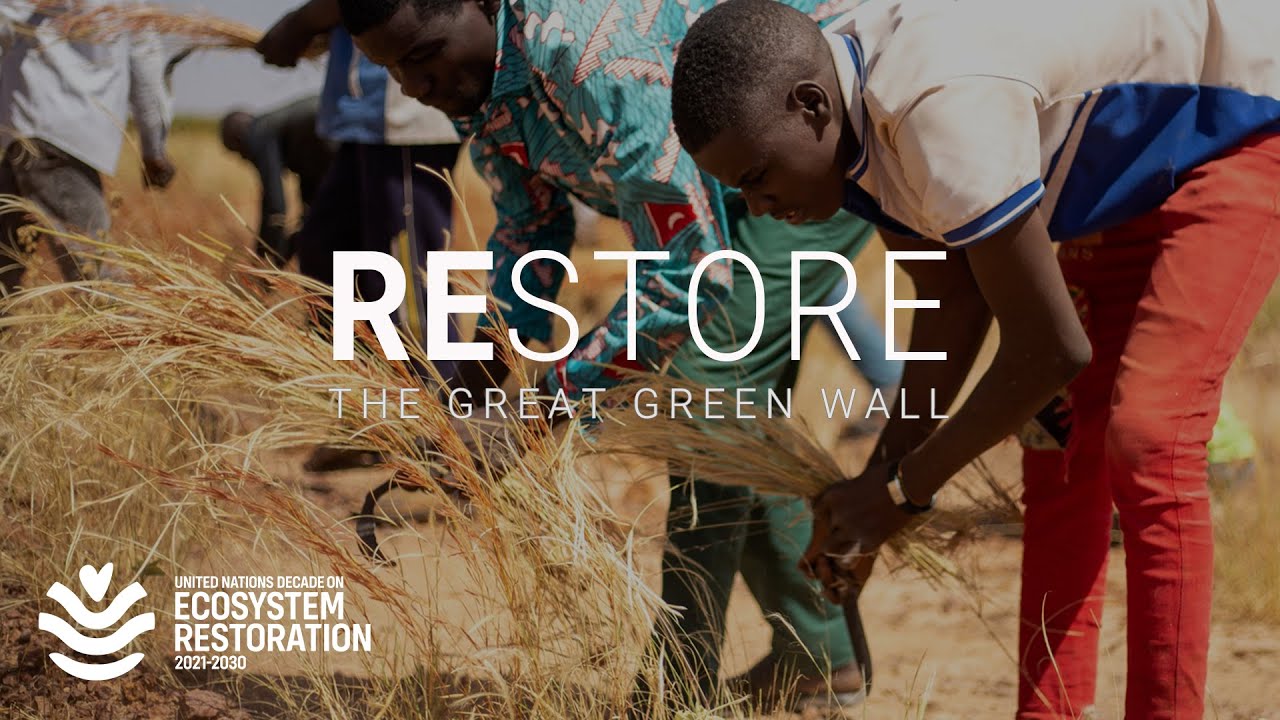
Community volunteers restoring dryland vegetation along Africa's Great Green Wall
International Climate Initiative · Great Green Wall restoration

UNEP and the Food and Agriculture Organization named the programmes World Restoration Flagships at COP17. The designation is reserved for work already under way and brings the initiatives into the UN Decade on Ecosystem Restoration’s monitoring framework.

Brazil’s Araticum Initiative combines natural regeneration, direct seeding and agroforestry. Saudi Arabia is pairing controlled grazing and native-wildlife reintroductions with water recovery. Across five Sahel countries, restoration is linked to food systems, livelihoods and support for displaced communities.

Why it matters

These are operating examples of ecological repair being tracked alongside hectares and community benefit. That makes their methods more useful to other countries than an undelivered pledge alone.

The wider context

The three programmes work in very different landscapes, showing that verified restoration can be adapted to savanna, desert and conflict-affected drylands rather than imposed as a single planting model.

What happens next

Progress is due to be tracked through the UN Framework for Ecosystem Restoration Monitoring, with the strongest test being whether ecological quality keeps pace as the programmes expand toward 2030.

News archive

Past stories.

The active edition holds five full reports on each side. Older coverage remains dated, easy to scan and linked to its original reporting.

Data desk

The numbers behind this side.

Figures are tied to the source date shown in each report. Estimates and forecasts are labelled as such.

Closing-session update+$2bn

ADB finance for Asia-Pacific land restoration

Estimated75–80%

Mangrove seedling survival in Golfo Dulce

Since full operation>40

Methane mitigation actions linked to MARS

Satellite verified1.2m t

Methane linked to mitigated sources through MARS

The forward diary

What to watch next.

EU restoration plans

Member states are expected to submit national plans under the Nature Restoration Regulation.

UN Biodiversity COP17

Governments meet in Yerevan with an opportunity to accelerate delivery of the 2030 nature framework.

UNCCD COP18

Egypt is expected to host the next global assessment of land-restoration and drought-resilience delivery.

How to read this edition

Facts first. Meaning made explicit.

Continuously reviewed, clearly dated. The newsroom checks for material developments every day and publishes a dated edition only after its sources and framing have been reviewed.

Primary sources where possible. UN agencies, scientific services and research institutions are linked directly. Independent reporting is identified when it supplies incident detail.

No false balance. “The Good” and “The Bad” organise attention; they do not imply equal scale or cancel one another out.

The other half

One side is never the whole story.

Continue to The Bad