New UNEP assessment · 1.5°C overshoot now unavoidable
The world will cross 1.5°C—and the best case now peaks at 1.8°C
UNEP’s first dedicated overshoot assessment says the Paris Agreement threshold will be exceeded within the next few years, locking in decades of greater risk even if temperatures are later brought down.
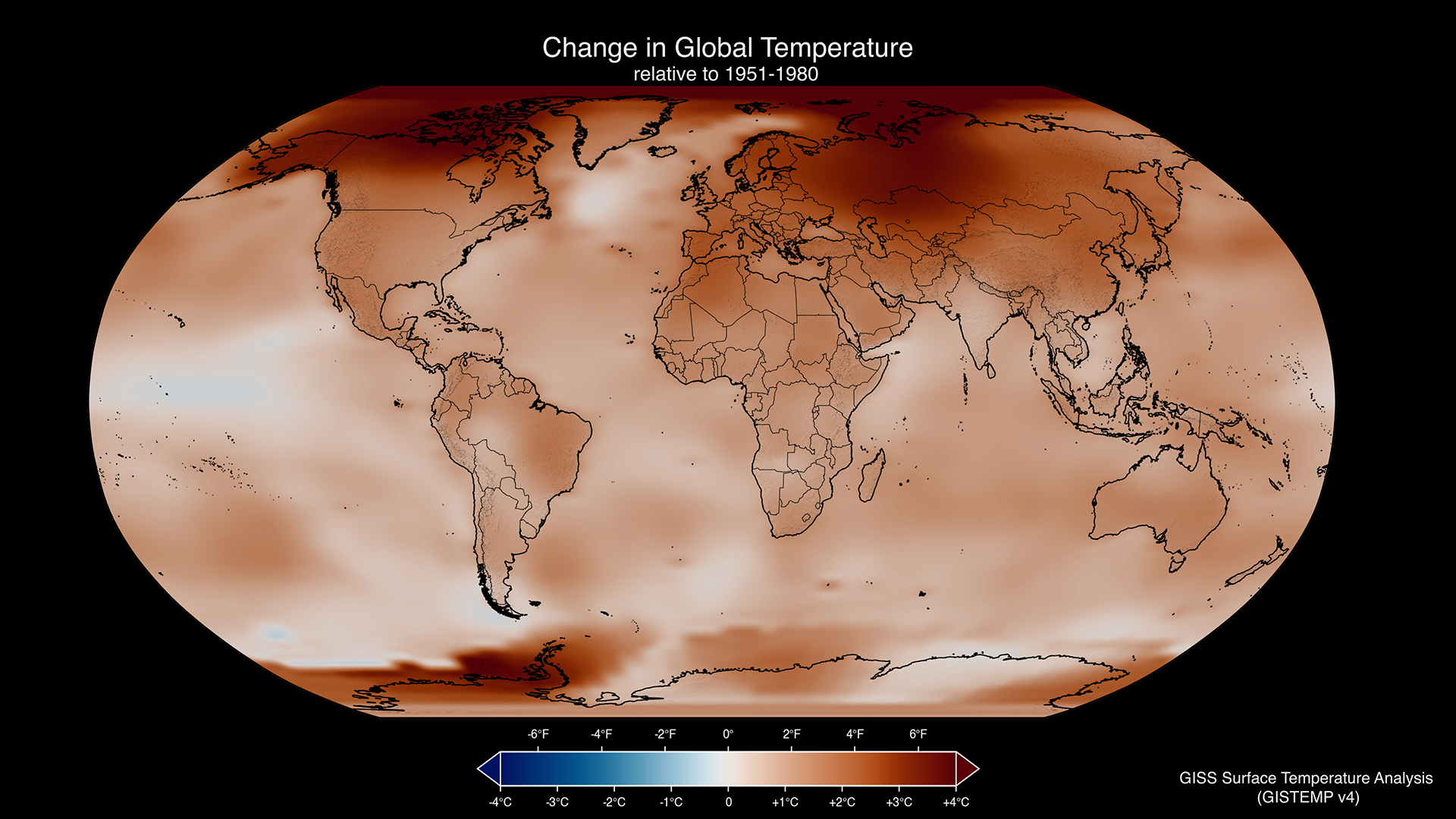
The UN Environment Programme’s Limiting Overshoot report says crossing 1.5°C above pre-industrial temperatures is now widely assessed as unavoidable under current policies and other plausible near-term pathways. The threshold describes sustained, long-term warming rather than a single hot year; Associated Press reports that the current 20-year average is about 1.4°C.
Even the report’s most optimistic scenario reaches a peak of about 1.8°C. AP’s examination of the assessment says current government policies instead point to roughly 2.6°C of warming by 2100. Higher peaks and longer exceedance raise the likelihood of irreversible tipping points, including destabilised ice sheets, Amazon degradation and disruption of the Atlantic overturning circulation.
The consequences accumulate during the overshoot even if global temperatures eventually fall: more deaths and illness, reduced food production, worsening water shortages, ecosystem loss, economic damage and places becoming harder to insure or inhabit. UNEP warns that permanently changed conditions and irreversible losses are certain even if a return below 1.5°C is achieved.
UNEP describes the least harmful remaining route as ‘overshoot, peak and decline’: immediate and sustained cuts to carbon dioxide and methane, net zero followed by net-negative emissions, carefully governed carbon removal, and adaptation that evolves as risks change. Carbon removal is an addition to deep emissions cuts—not a substitute—and can credibly support a return only if peak warming stays well below 2°C.